

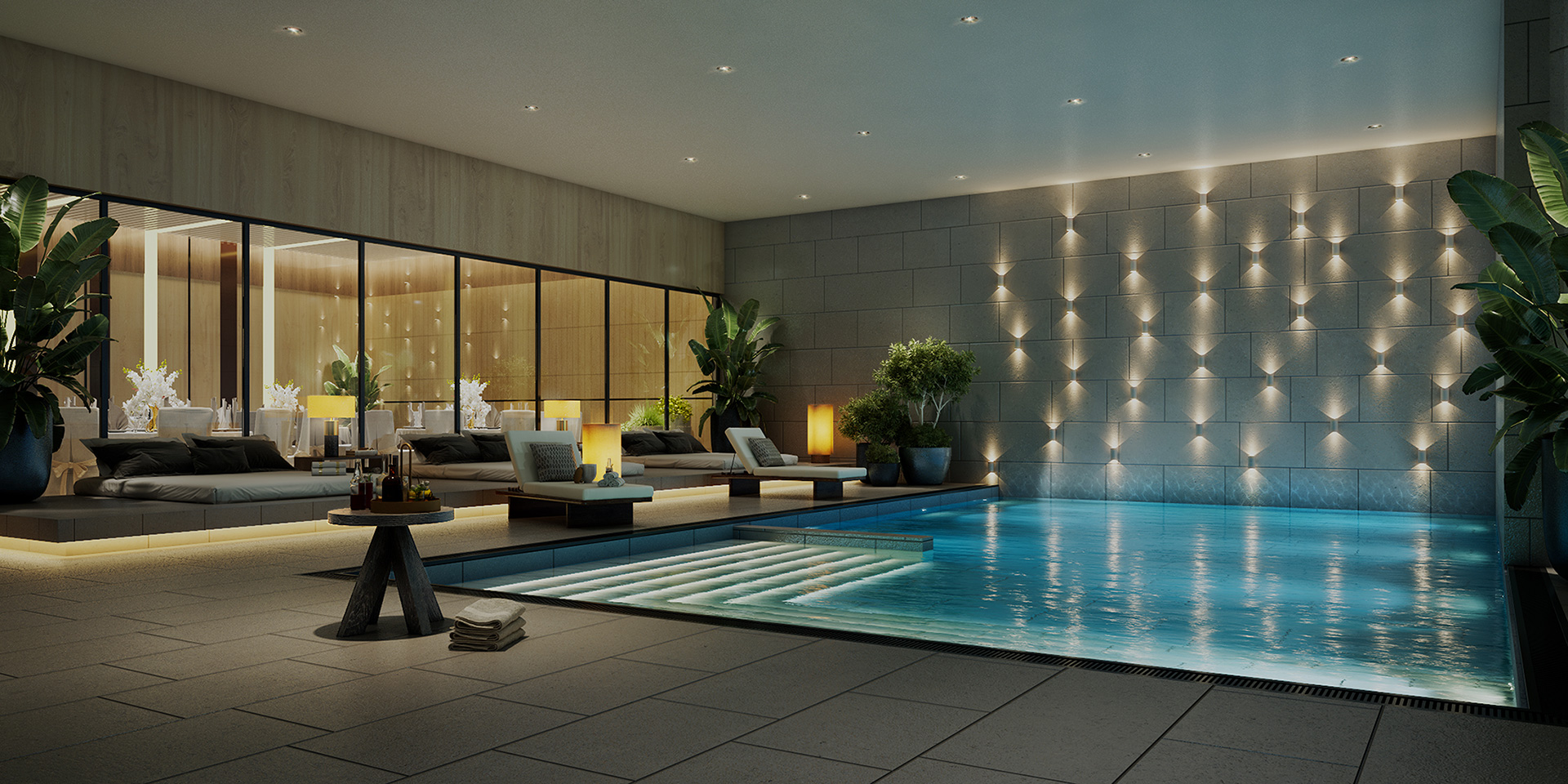
In real estate, when a potential buyer enters a sales experience center, something significant happens. It’s not just a visit to gather information; it’s the first emotional interaction with a place that doesn’t fully exist yet.
Floor plans are displayed. A scale model sits at the centre of the room. Screens show images of buildings, landscapes, and lifestyle areas. Everything in the real estate sales experience center aims to answer one key question for buyers: What will life here really feel like?
This is where architectural walkthrough animation has quietly become a powerful tool in modern real estate marketing.
For decades, real estate sales relied on drawings, brochures, and verbal explanations. While these tools communicated a project’s design, they often struggled to convey the more important aspect, the experience of living there.
A floor plan can illustrate the layout of a living room, but it cannot show how sunlight moves through the space in the morning. A brochure may describe a landscaped garden, but it cannot capture the sensation of walking through it.
Cinematic project walkthroughs bridge this gap.
Through architectural walkthrough animation, developers can show the project as a living environment rather than a concept on paper. Buyers don’t merely see the building; they experience the arrival, the lobby, the amenities, and the surrounding views.
Inside the experience center, this transforms a presentation into a story.
Buying property is rarely a purely rational decision. While factors like price, location, and layout matter, the final decision often hinges on how a place makes someone feel.
Cinematic walkthroughs are essential in creating this emotional connection.
When displayed on large-format screens or immersive presentation walls inside a real estate sales experience center, these films let buyers step into the project’s story. The camera glides along the entrance boulevard, rises above landscaped courtyards, and enters homes filled with light and detail.
In just a few minutes, buyers start to imagine themselves in the space.
This emotional visualization is incredibly impactful. Instead of explaining the project’s value, the walkthrough allows buyers to experience it.
Real estate projects are often sold long before construction is finished. For buyers, this means making a major investment mainly based on their imagination.
Cinematic walkthroughs help reduce this uncertainty.
Through architectural walkthrough animation, every part of the development, from building design to lifestyle amenities, can be presented clearly. Buyers grasp the spatial relationships between towers, open spaces, clubhouses, and surrounding landscapes.
Even complex design ideas become simpler to understand when presented through motion and storytelling.
Inside the experience center, the walkthrough serves as a visual guide that clarifies the entire project narrative.
The modern real estate sales experience center is no longer just a room with desks and brochures. It has evolved into a well-designed space where architecture, technology, and storytelling meet.
Scale models display the project’s physical layout. Material displays showcase finishes and textures. Interactive screens let visitors explore floor plans.
Cinematic walkthroughs connect everything.
They provide context to the model, emotion to the visuals, and clarity to the design story. When buyers watch the film before exploring the rest of the center, they already have a mental picture of the project. Every other element they see works to reinforce that vision.
From a developer’s viewpoint, architectural walkthrough animation is not just a presentation tool; they are strategic asset in real estate marketing.
The same walkthrough used inside the experience centre can be deployed across multiple marketing platforms. It can power digital campaigns, enrich websites, support investor presentations, and engage audiences across social media.
This versatility makes the walkthrough one of the most versatile marketing investments for a project.
More importantly, it ensures that the development’s story remains consistent across all touchpoints.
As competition in real estate grows, developers are increasingly focused on creating stronger and more memorable buyer experiences.
The real estate sales experience center has become a central venue for this interaction. It is where design meets marketing and where vision meets imagination.
In this environment, cinematic project walkthroughs are emerging as a key storytelling medium.
They allow developers to present architecture not just as a structure, but as a living environment. They help buyers understand, feel, and believe in a project long before the first residents move in.
For developers working with a top martech agency in India, the goal is not simply to create visuals; it is to build a narrative that brings the project to life.
Because in the end, real estate is not just about buildings.
It is about helping people visualize the life waiting for them inside those walls.