

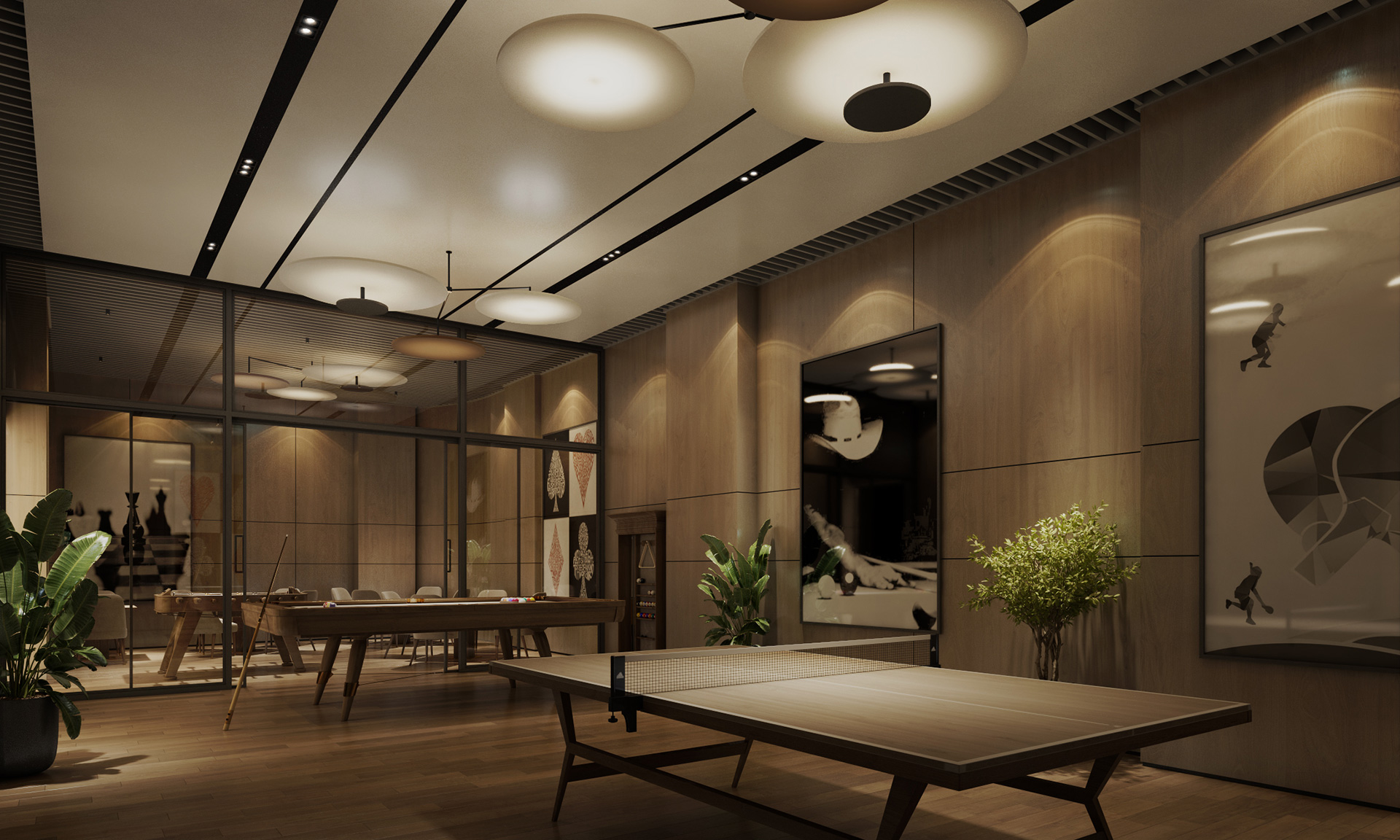
Imagine walking into a home before it’s even built. You can stroll through its hallways, feel the sunlight streaming in through large windows, and notice the gentle curve of a staircase that guides you effortlessly from one level to another. You pause in the living room, considering how the furniture might fit, how light interacts with the space, and how the atmosphere matches your lifestyle. For many buyers, this isn’t just a dream; it’s an experience made real through 3D architectural walkthroughs.
Architectural walkthroughs have revolutionized the way real estate is marketed. They connect ideas to reality, transforming blueprints into journeys that buyers can emotionally relate to. In a busy market where decisions happen quickly, these visual experiences don’t just show a property; they tell its story.
Humans are inherently visual creatures. We process images faster than words, and our brains respond emotionally to our surroundings. This is where 3D architectural walkthroughs excel. They let potential buyers enter a space and engage all their senses, even if online.
A well-designed walkthrough captures more than just measurements; it communicates mood, scale, and context. Lighting is crucial; morning sunlight through windows can make a space feel warm, while a softly lit evening can create intimacy and calm. Materials, textures, and reflections enhance realism and subtly shape perception. Buyers aren’t just viewing a house; they are imagining living in it.
Real estate involves more than just buildings; it involves dreams, hopes, and lifestyle. Good architectural visualization connects with these feelings. When buyers can picture themselves in a space, they create a personal connection.
Think of two situations: a buyer looks at a flat 2D floor plan, while another explores a detailed 3D architectural walkthrough. The first one struggles to imagine the flow, lighting, or how furniture fits. The second experiences the property as a lively environment. They notice the details, the kitchen’s workflow, the bedroom’s morning light, and the balcony’s city view. These specifics create emotional resonance, which research shows directly influences purchasing decisions.
Trust is essential for buyer confidence. Architectural walkthroughs lessen uncertainty by providing a clear picture of what to expect. Unlike static images or brochures, a 3D architectural walkthrough accurately shows proportions, perspectives, and spatial relationships. Buyers see how rooms connect, how spaces interact, and how design choices affect the feel of the property.
This transparency reduces misunderstandings and builds credibility. Buyers are more confident when they feel informed, speeding up their decision-making process and boosting sales.
In a competitive market, standing out is crucial. Developers and architects who include architectural visualization in their marketing plans gain a significant advantage. 3D architectural walkthroughs can be shared online, creating engaging experiences for remote audiences. They are especially effective in pre-sales campaigns, allowing developers to showcase properties before building begins.
Additionally, walkthroughs can adapt to storytelling formats, highlighting features that matter to buyers. Want to emphasize sustainable design? Focus on natural light and ventilation. Want to showcase luxury? Highlight materials, finishes, and spatial flow. The walkthrough becomes more than just a presentation; it turns into an interactive story that conveys value, quality, and vision.
The growth of 3D visualization studios has made this technology more available and sophisticated. Modern studios use advanced rendering, real-time engines, and cinematic methods to produce 3D architectural walkthroughs that feel real. Some even add VR or AR elements, allowing buyers to explore properties from any device, even from far away.
Environmental simulation boosts realism, lighting changes with the time of day, shadows move naturally, and materials reflect their true textures. Every detail immerses the viewer fully, creating an experience that static images cannot match.
Architectural walkthroughs have become a necessity in modern real estate marketing. They blend art, technology, and psychology to engage buyers, build trust, and speed up sales. By turning abstract plans into immersive, emotional experiences, they help buyers envision not just a property, but the life they could lead within it.
At the forefront of this change, we craft these experiences with precision and creativity, as one of the leading martech agencies in India, helping developers and architects tell their stories through a 3D architectural walkthrough in the most compelling way possible.